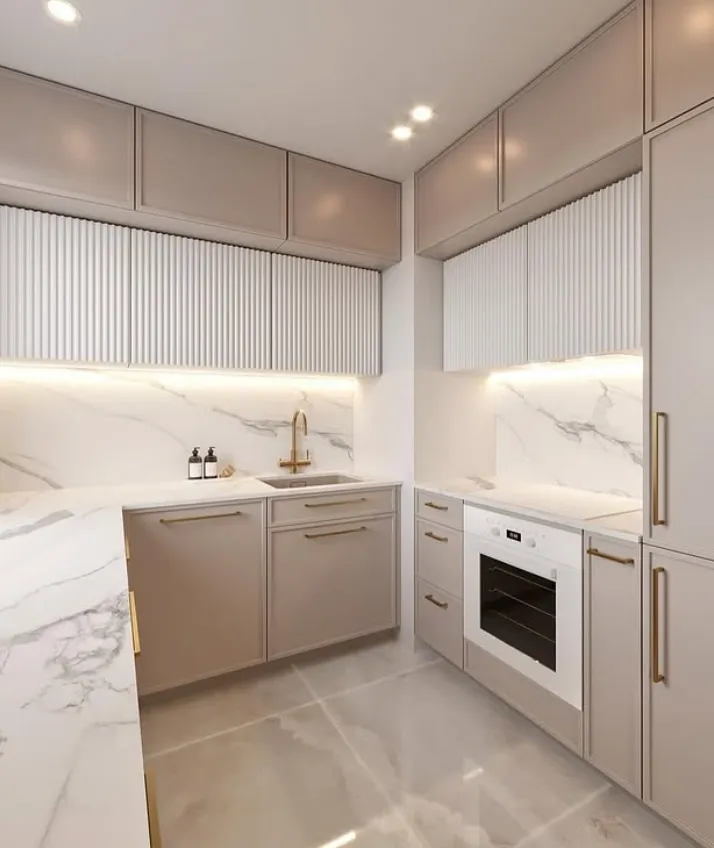
“Accessible design isn’t just practical—it’s beautiful.” On this episode of the Home Design Podcast, ADA interior design specialist Anna Lucia of Cataleia Spaces breaks down how accessibility is transforming modern living. From textured finishes and smart lighting to tech-forward upgrades and resale value, Anna shows how ADA-compliant homes can be both highly functional and stunningly stylish.
Whether you’re designing for a specific need or simply want a space that works better for more people, her expert take proves that accessibility is good design — for everyone.
Designing Homes That Are Inclusive, Not Conventional
Many people assume ADA design means bulky ramps and clinical details, but Anna is here to flip that narrative. She explains how subtle material choices, like matte finishes and natural textures, can make homes safer without sacrificing style. These surfaces are easier to navigate for those with mobility or vision challenges and feel more grounded and luxe, especially in kitchens and bathrooms.
Designing with accessibility in mind doesn’t mean giving up on aesthetics. It means thinking deeper about how people interact with a space. From textured flooring to lighting and wider pathways, inclusive details can blend seamlessly into any design style.
Surprising Details That Make a Big Difference
Accessibility goes beyond wheelchairs. Anna points out that ADA-friendly design also benefits seniors, kids, those recovering from injuries, or people with sensory sensitivities, like autism. Features like controlled lighting and natural elements can create calm, sensory-friendly environments for people with autism or anxiety.
Technology plays a growing role, too. From voice-activated lighting to adjustable countertops and smart appliances, Anna highlights innovations that enhance independence for everyone in the home. She’s even in the process of developing a non-electric adjustable cabinet system that’s both budget-conscious and inclusive.
A Smarter Approach to Planning & Resale
One of Anna’s key takeaways? Start planning accessibility early. It’s much easier (and more cost-effective) to design wide pathways, smart lighting, and adjustable elements from the beginning than to modify them later.
And for homeowners thinking about resale, ADA design is a selling point. Homes that are universally accessible appeal to a broader audience — from aging buyers to young families. Designing inclusively doesn’t narrow your market. It expands it.
The Future of ADA Design Is Universal
Anna sees a shift coming: accessible design won’t be optional. It’ll be standard. From offices to outdoor kitchens, she believes every space should consider people of all abilities — not just in theory, but in function.
Want more insights from Anna? Listen to the full episode of The Home Design Podcast to hear how she approaches accessible design: EP 45: ADA-Compliant Design: The New Standard
The Home Design Podcast brings together industry leaders, design professionals, and innovative brands to explore the ideas, trends, and technologies shaping the world of home improvement. With a focus on education and inspiration, each episode offers valuable insights and takeaways for both homeowners and professionals looking to elevate their knowledge and stay ahead in the ever-evolving design space.
To watch the full episode, click below!